At Borealis Philanthropy, our longstanding investments in community journalism, local media, cultural production, and art affirm what movement leaders have long understood: narratives shape how we see each other, whose voices, humanity, and histories matter, what we believe is possible, and how we understand the world around us.
Recognizing the critical importance of making meaning in this moment of democratic fracture, we spent this year expanding our narrative and culture strategy by deepening our investments in its many possibilities. In this vein, 2026 has been a year of gathering and visioning; of listening and learning alongside organizers, narrative strategists, media makers, and artists; of grounding in the practice of using research, culture, and the power of words to shape and shift beliefs, build collective will, and nurture the social justice groundwork for a truly inclusive multiracial democracy.
From gathering at SXSW’s Impact Lounge with Yrthya Dinzey-Flores, Rinku Sen, and Kashif M. Shaikh to explore why culture is the first site of democratic struggle and how narrative grounds our sense of belonging—to convening with Rashad Robinson on how stories have the power to drive systemic change—and harvesting insights from Maurice Mitchell, LaTosha Brown, and Cornell Belcher on sustaining BIPOC political power through research, narrative, and organizing, we are grateful to all whose wisdom has and continues to shape our strategy and investments in this area. Check out some of our gems and learnings from these illuminating conversations below!
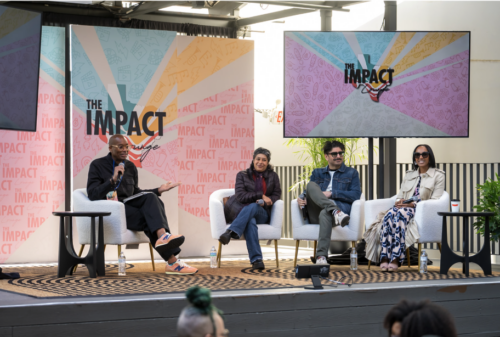
Image: Borealis Philanthropy’s Vice President of Programs, alvin starks, speaks into the microphone during a panel discussion at SXSW’s Impact Lounge, alongside Rinku Sen, Kashif M. Shaikh, and Yrthya Dinzey-Flores.
Understanding our conditions is the beginning of changing them.
The stories we tell help us connect what we experience in our daily lives to the larger histories, systems, and decisions that shape them.
When we understand how our lived experiences are connected to larger systems of inequity, we can begin to question the conditions we’ve been taught to accept and recognize our collective power to change them.
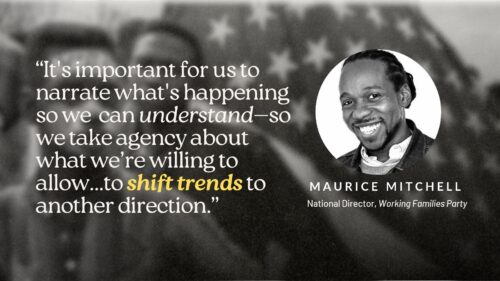
Changing systems requires changing what we expect from them.
When we’re repeatedly told that basic needs like affordable housing, healthcare, and political representation are unrealistic, especially for those living at the intersection of overlapping systems of harm, we can begin to accept these injustices as inevitable.
Sharing the stories and strategies of communities already organizing for a different future helps us question those expectations, demand more from the institutions meant to serve us, and imagine what becomes possible when we do.
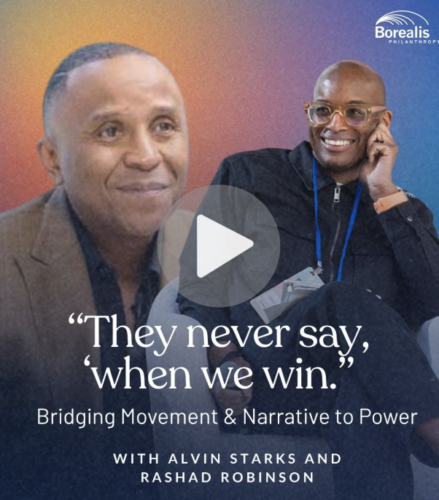
“Narrative is a tool of change, not an object of change. It’s what we use to change the floor on what’s acceptable and the ceiling on what’s possible.”
– Rashad Robinson
Culture is the connective tissue that sustains movements.
Movements draw strength from the stories, lineages, and shared experiences that connect us. Believing we can shape the future also means believing we have a place in that future. Thus, we must cultivate a sense of belonging, interdependence, and possibility that allows people to see themselves as part of the whole and recognize themselves as agents of change.
“A movement is not just a set of policies or issues. A movement is larger; a movement is cultural, it’s spiritual.” – Cornell Belcher

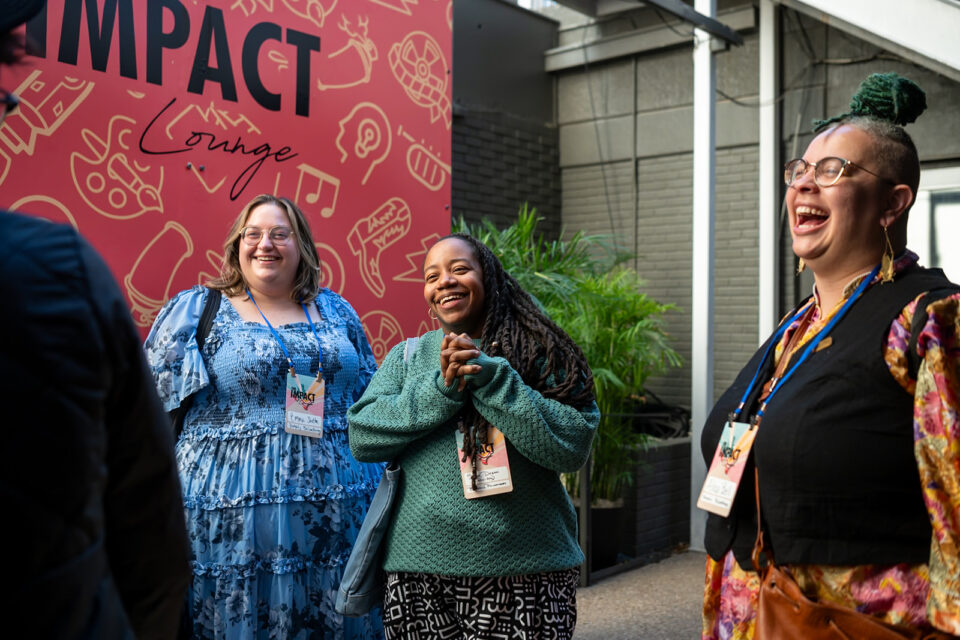
Six Borealis Philanthropy staff members stand together, smiling and posing with their arms around one another at the SXSW Impact Lounge, in front of an event backdrop featuring the Borealis Philanthropy logo.
Resisting authoritarianism requires resourcing the power of narratives that set us free.
As Yrthya Dinzey-Flores beautifully asked, “Who are the archetypes of people who belong in the definition of our democracy?” Philanthropy has an opportunity to help new archetypes take root in our collective imagination—nurturing stories of community, joy, love, and justice that reflect the multiracial democracy we aspire to build.
As Borealis deepens our narrative and culture grantmaking, we invite funder peers to explore, dream, build, and invest in the shaping of hearts and minds to build a just and fair world. We know narratives sit at the heart of every social justice issue we touch; and therefore, investing in narratives and culture advances long-term impact. You can be in this work of nurturing new, more hopeful, loving, and true narratives alongside us by:
- Committing to long-term funding to ensure that narrative strategists, researchers, artists, media makers, and grassroots organizations have the flexible funding they need to grow their work, experiment, reach new people, and build lasting change. As Rinku Sen reminded us at SXSW, “We’re going to need collections of stories about the same ideas for at least a couple of generations to take on the deepest problems of democracy and to envision a path to the democracy we deserve.”
- Investing in the power of research and amplification, culture, leadership, and organizing to help movements and communities transform the conditions they face, create a media ecosystem that brings their narratives to wider audiences, and resource organizing that alchemizes these beliefs into catalysts for systemic and cultural change.
- Partnering with intermediaries like Borealis to access the relationships, speed, and trust required to move resources directly to frontline leaders.
- Recognizing the power of this moment. “People are in the posture of looking for change and relief; that is the best posture to have people to really rethink how they move collectively,” LaTosha Brown of Black Voters Matter urged earlier this year. We have an opportunity to herald a new era, and we must seize it.
If you are interested in learning more—and sharing more—about how funders can collectively utilize narratives as a public classroom to build the belief and will necessary for change, connect with us.